
Top Categories
-

Campaign Supplies
Political yard signs, banners, magnets, palm cards, and so much more! VictoryStore.com offers...
-

Custom Yard Signs & Lawn Signs
Customize Yard Signs for Political Campaigns, Businesses, Realtors, Schools & More! Corrugated...
-
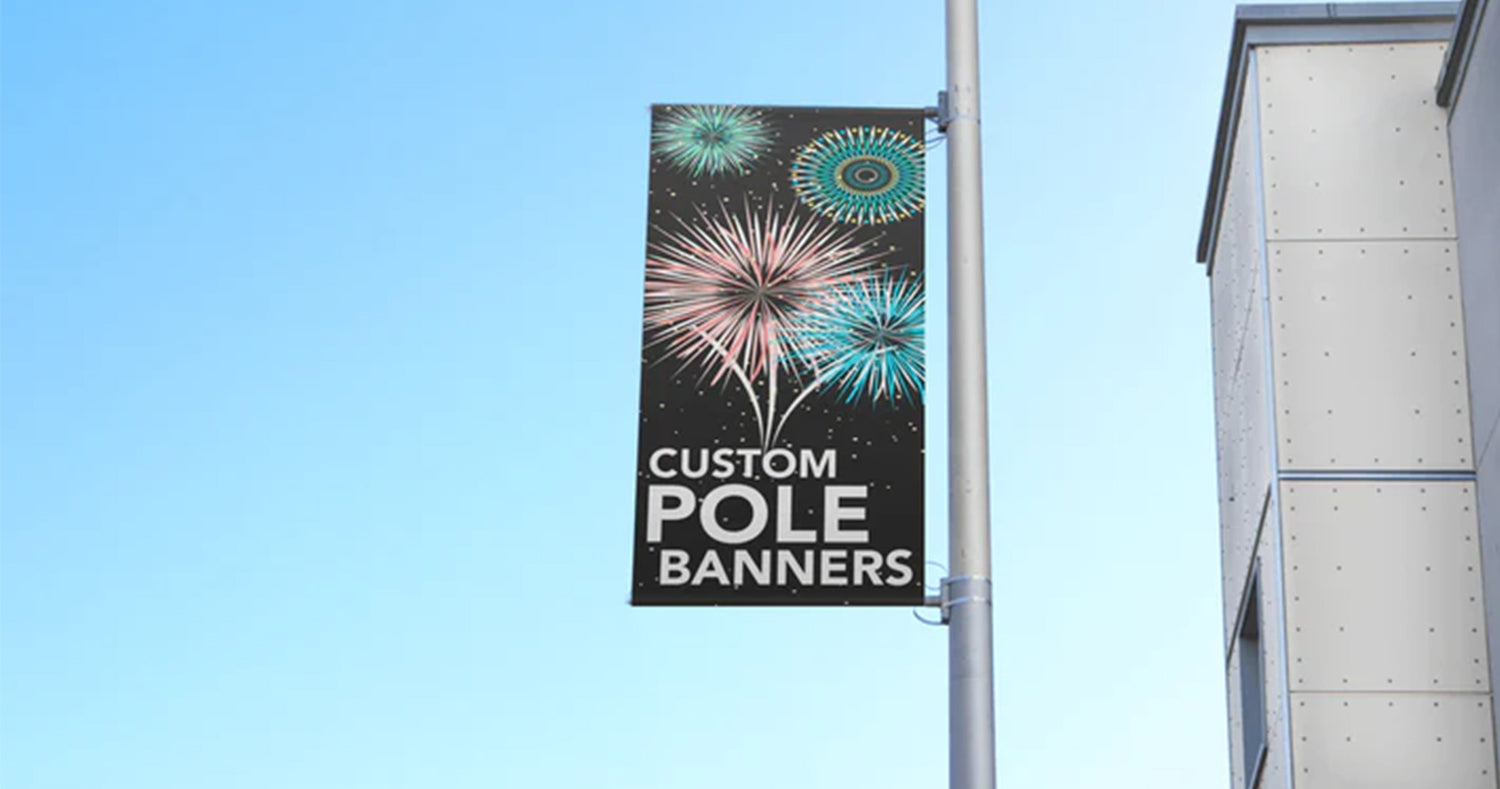
Custom Pole Flag Banners
Always the cheapest price! Street pole banners come with a 6-month guarantee...
-
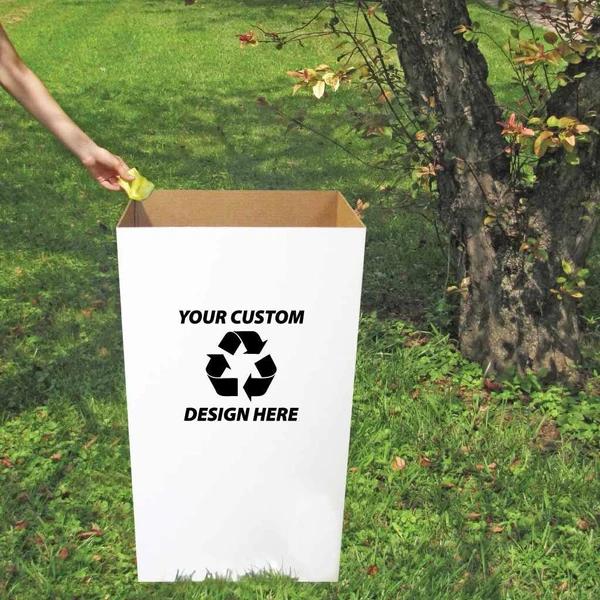
Event Supplies
Event Supplies
-
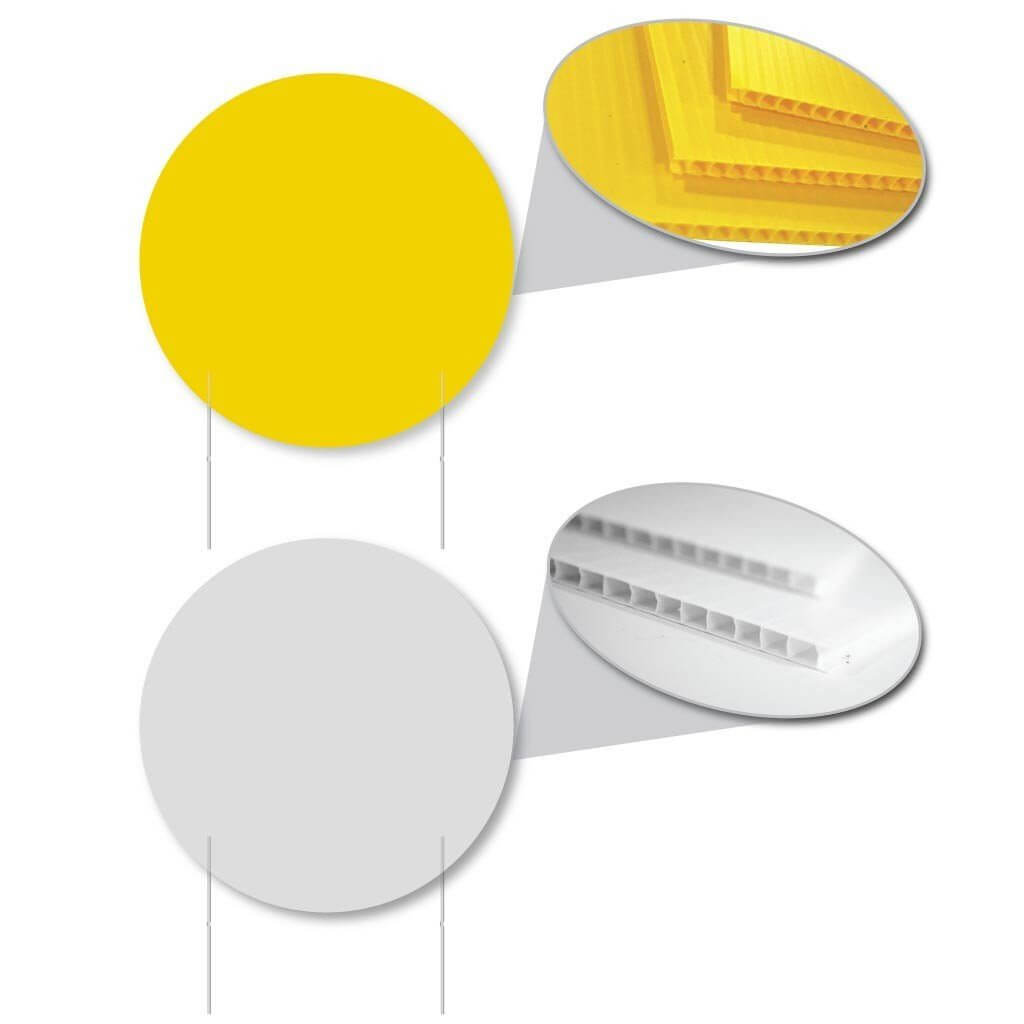
Corrugated Plastic Blanks
Blank Corrugated Plastic
-
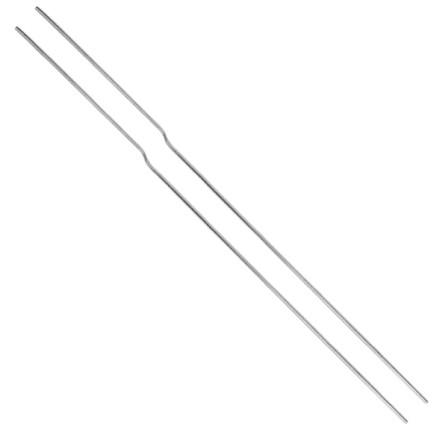
Yard Sign H Frames & Sign Stakes
Heavy Duty H frames and stakes for corrugated plastic yard signs Frames...
-

Yard Decor & Letters
Yard signs are perfect for birthdays, retirement parties, graduations and holidays like...
-
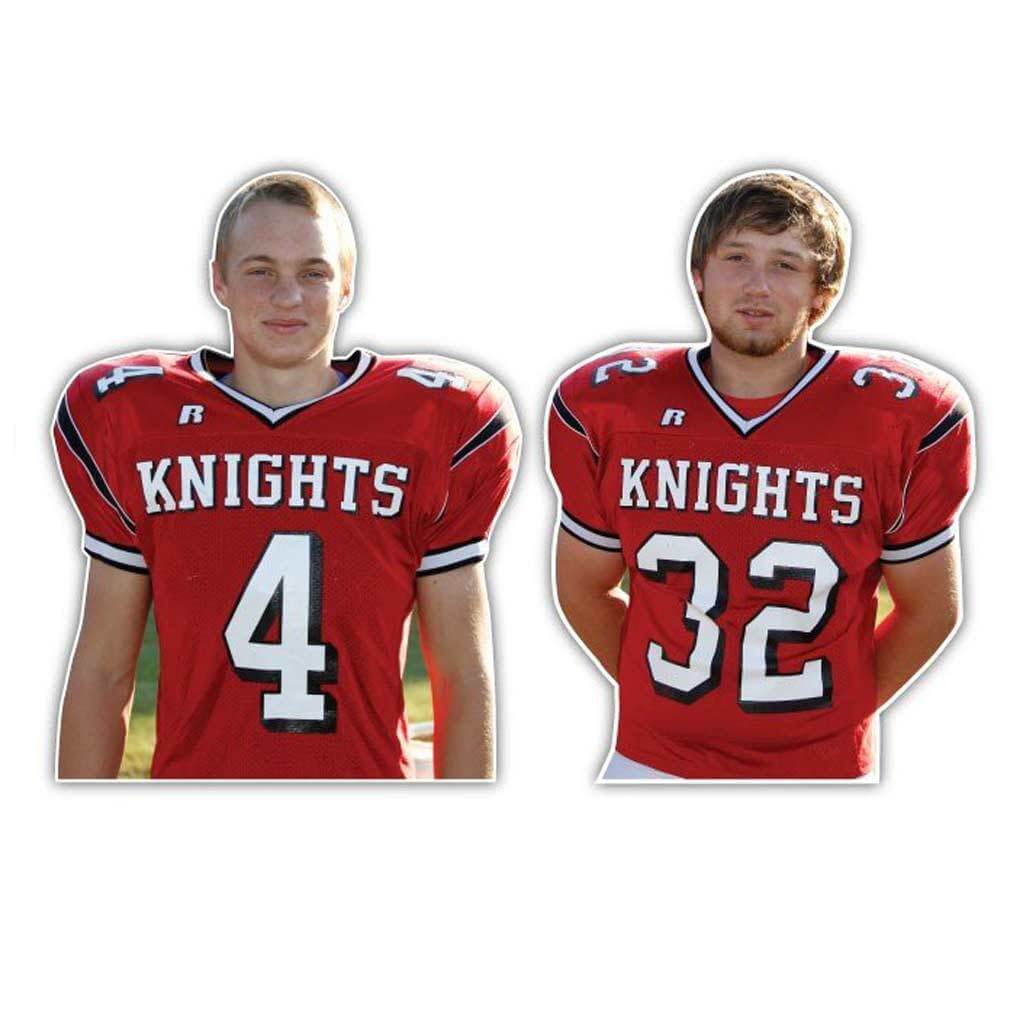
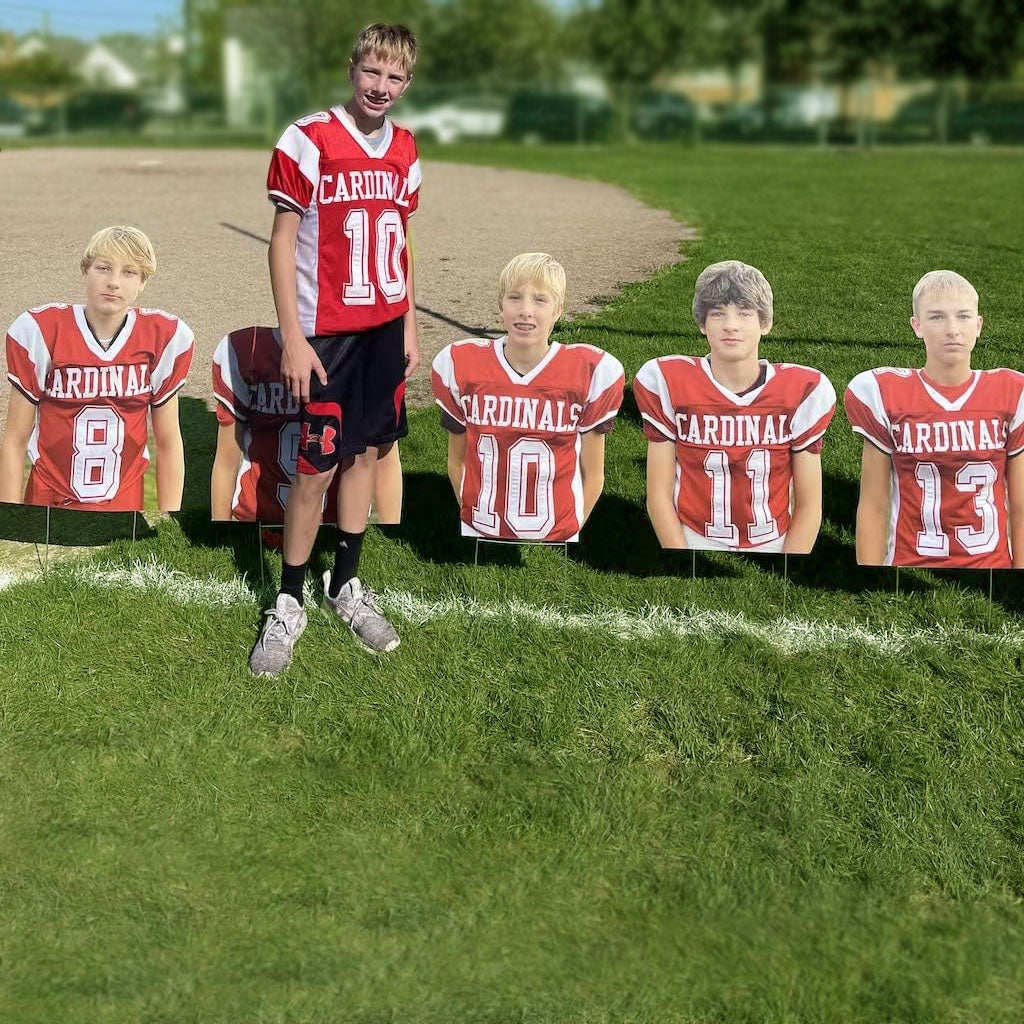
Sports Team Yard Signs, Banners, Locker Magnets & More
Customize team signs & more with our unique selection of personalized products...
-

Giant Greeting Cards
World’s largest greeting cards: 4’ tall or 2’ tall. Free shipping. 2-3...


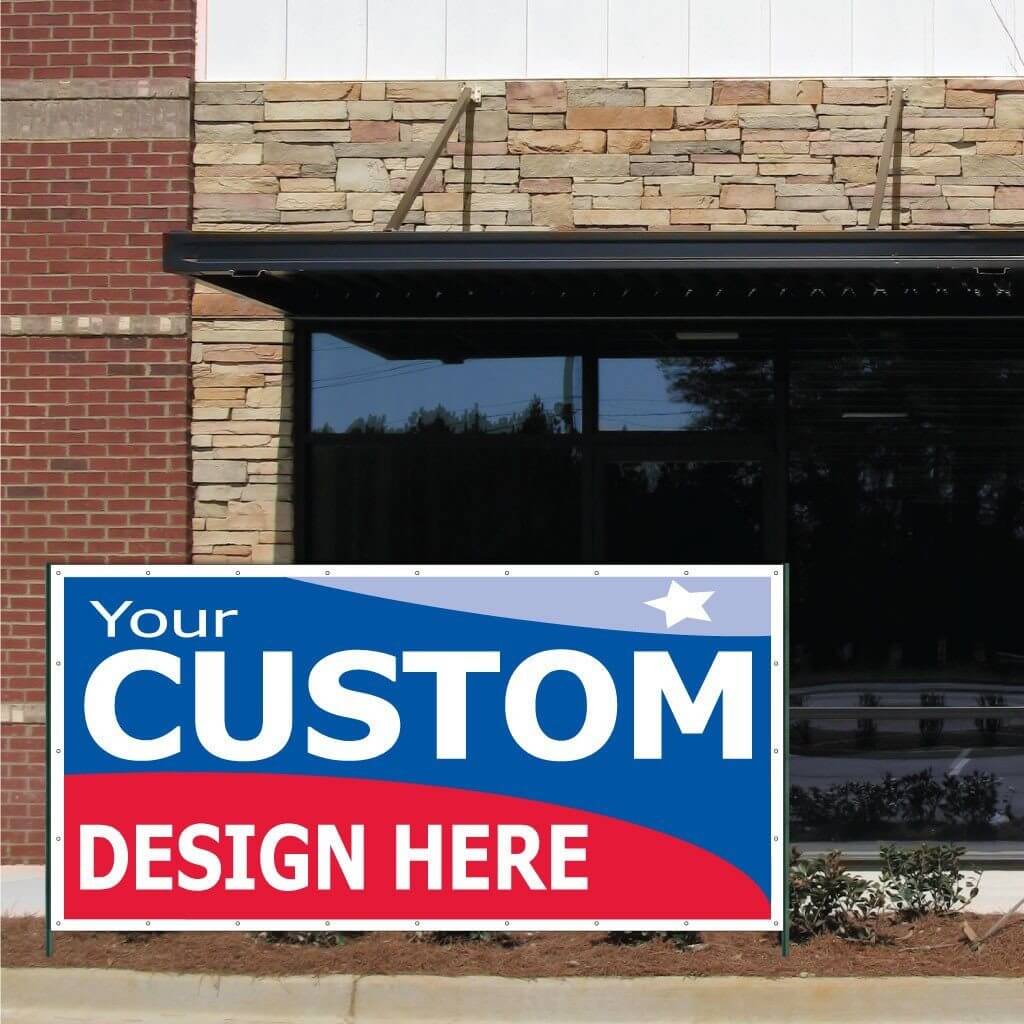








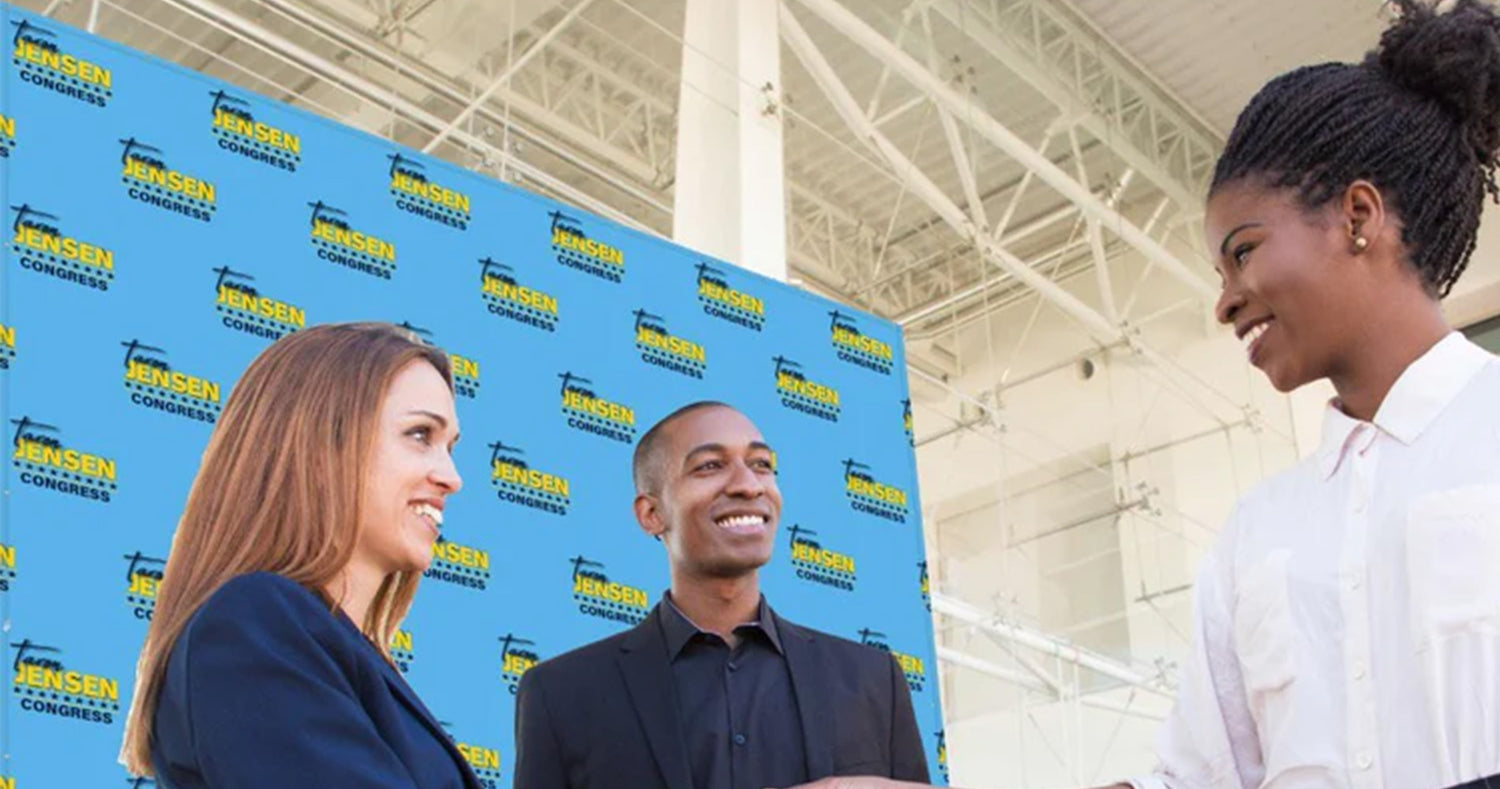
Campaign Supplies
Political Signs & Campaign Supplies Political yard signs, banners, magnets, palm cards, and so much more!
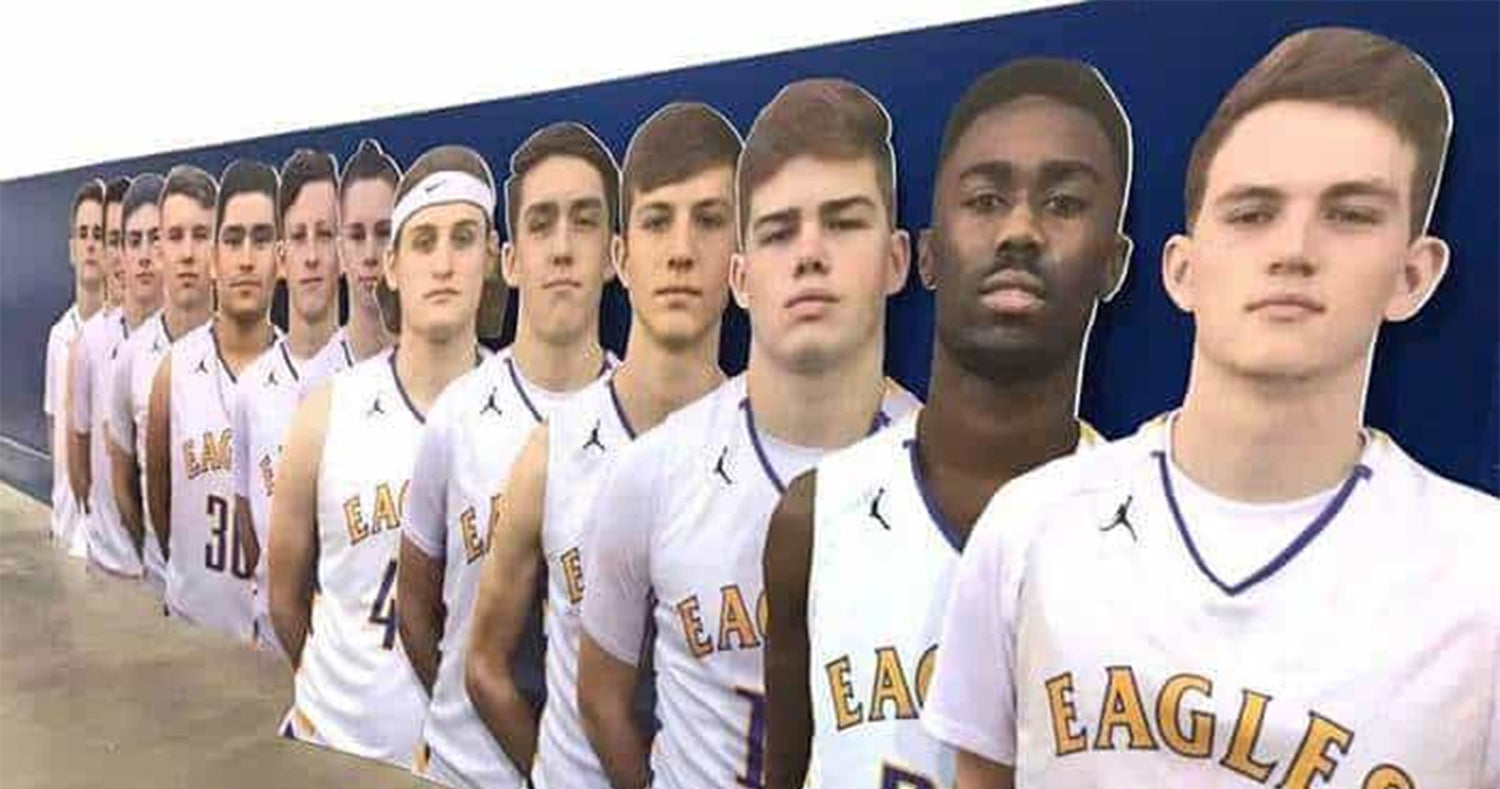
Team Products
Sports Team Yard Signs, Banners, Locker Magnets & More Customize team signs & more with our unique selection of personalized products for your sporting team.
Since 1997, VictoryStore has printed more than 10 million yard signs, cutouts and vinyl banners. We pride ourselves with having the cheapest yard sign prices around. Call us at 888.968.2688 to talk to one of our friendly customer service representatives.
VictoryStore.com has the biggest lawn sign selection including: yard letters & decorations, corrugated plastic yard signs, political yard signs, pole banners, breakaway banners, football cutouts, blank yard signs, and more!
Player Photo Cutouts & Big Head Cutouts
-
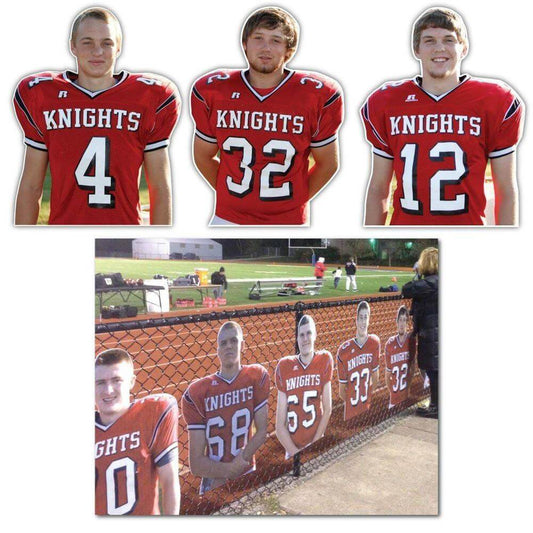
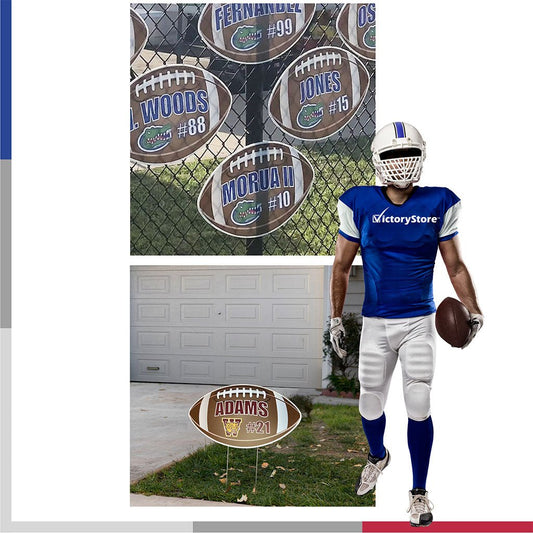
Team Player Photo Plastic Cutouts
Regular price From $39.95Regular priceUnit price per -
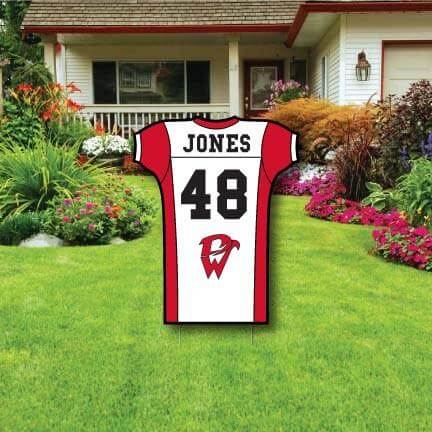
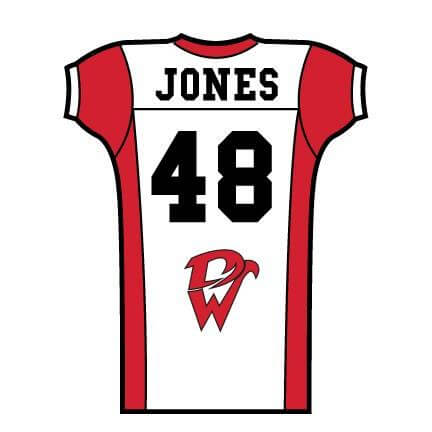
Die Cut Football Jersey Cutout One Sided Yard Signs
Regular price From $39.95Regular priceUnit price per -
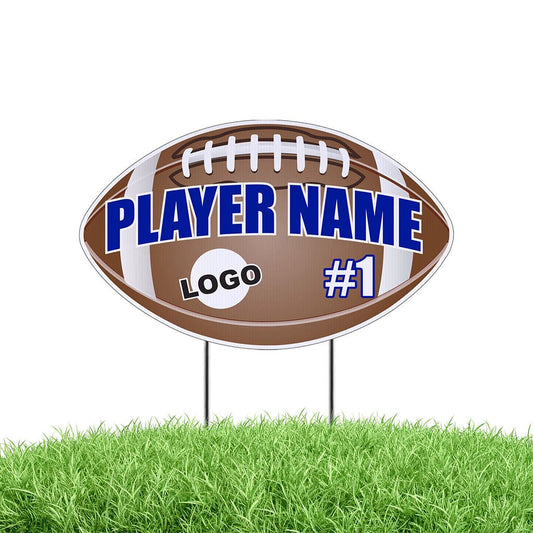
Football Shaped Team & Player Fence & Yard Signs
Regular price From $40.95Regular priceUnit price per -
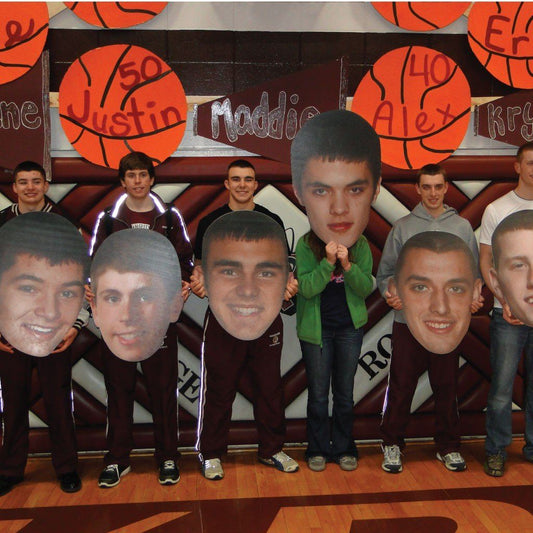
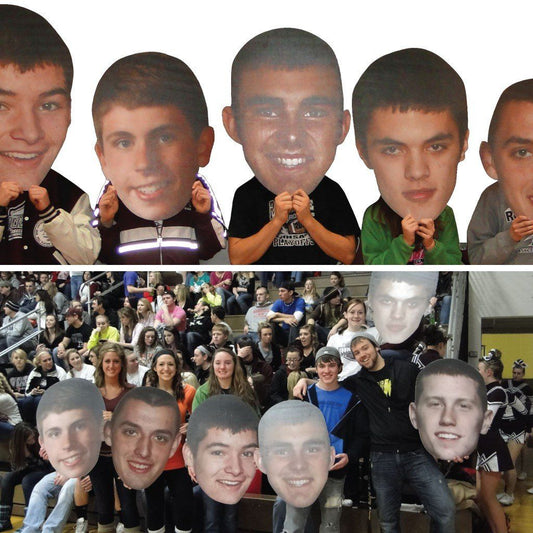
Giant Big Heads
Regular price $35.00Regular priceUnit price per

Let customers speak for us
Our Sportsmen's Club sought an affordable yet distinctive addition to our indoor instructional archery program for new members. Victory Store's archery targets fit the bill perfectly! They're cost-effective, sturdy, and add an element of fun to our sessions. Needless to say, we'll be placing another order soon!
Mark Jester, Lenox Sportsmen's Club, Archery Coach

The half body cutout you did for my husband’s fiftieth birthday party came out awesome! It was exactly what I was looking for and the shipping time was great!

Excellent product with excellent value!


These are perfect to stake the names for my graduation signs.

H Frames worked great. Great price and great service. Thank you Victory Store

The Giant Birthday Card I purchased for my wife was absolutely perfect. I'll be presenting her with the card in a few days. I know she will love it. I made the call to Victory Store and asked a few questions. I went on line, followed directions and with a few days I had the card delivered by UPS. Great gift for the price. I'm very happy with the purchase. I Thank you Victory Store.

Great Product at Super Great Prices with phenomenal Customer Service. The Customer Service and design team were there for us from start to finish. Thank you Victory Store.

Great Product at Super Great Prices with phenomenal Customer Service. The Customer Service and design team were there for us from start to finish. Thank you Victory Store.
Great Product at Super Great Prices with phenomenal Customer Service. The Customer Service and design team were there for us from start to finish. Thank you Victory Store.


Our yard signs look amazing, and we received them in record time! Thank you so much and I'm sure we'll be using you again!
After all the campaigning is over, reminding voters to actually get out to vote is the last critical step. These signs fit perfectly on top of all the yard signs I have placed! Great visibility!

I had a great experience with the company. Matt was helpful and made everything easy for my first time ordering. The only thing I wished was different was the signs came to me looking orange and were supposed to be red.

